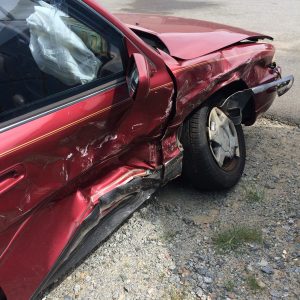
 Picture this: your car is in the shop, so you borrow your friend’s car to run a few errands. You’re a responsible driver, and your friend trusts you with their vehicle, but the unthinkable happens—you get into a car accident. Luckily, no one was seriously hurt, but the car? It’s damaged beyond repair. Now that the dust has settled, the big question remains: who’s responsible for paying for the damages?
It’s a tricky situation when you’re involved in an accident with a borrowed car. The first thing that likely pops into your head is, “Will I have to pay, or is it my friend’s responsibility?” Let’s break it down step by step so you understand what happens when a car accident involves a borrowed car and, importantly, who foots the bill.
Who Pays for the Damage: The Car Insurance Company
Here’s a fact that surprises many people: car insurance typically follows the car, not the driver. This means that in most cases, your friend’s car insurance will be the primary source of coverage after the accident. As long as your friend is up to date on their insurance premiums, their policy will usually kick in first.
In a situation like yours, if the accident was your fault, your friend’s liability coverage should cover damages to the other driver’s car and any injuries, up to the policy limit. However, if the damage exceeds that limit, your own insurance may need to cover the remaining amount.
That said, it’s not always this straightforward. There are some instances where your friend’s insurance might not cover the damages at all, and that’s when things get a little complicated.
Situations Where Your Friend Isn’t Liable
There are a few scenarios where your friend’s insurance may not cover the accident, leaving you potentially responsible for any damage caused. Let’s take a look at those exceptions:
1. You’re Excluded from Their Policy
Some car insurance policies only cover members of the household or individuals specifically listed on the policy. If you’re not listed and your friend’s policy excludes other drivers, their insurance won’t cover the accident, and you might be on the hook for the damages.
2. You Borrowed the Car Without Permission
If you borrowed the car without asking your friend, or worse, you took it without their permission, the insurance company will consider this as an unauthorized use. In this case, your friend is not liable, and you’ll be responsible for the damages. If the car was reported as stolen, things could get even messier from a legal standpoint.
3. You Were Driving Under Unsafe Conditions
If your friend knowingly gave you their car when you were unlicensed, intoxicated, or unfit to drive, both of you could end up in hot water. Your friend could be held liable for damages, and you may face legal consequences, depending on the situation.
What to Do After the Accident
Whether the accident was your fault or not, there are important steps you should take immediately after the crash. Proper documentation is key—not only to ensure you receive fair compensation but also to protect yourself from any false claims of liability.
Here’s what you should do:
Get contact information: Collect the names, phone numbers, and insurance information from all parties involved, including any witnesses.
Take pictures: Document the accident scene thoroughly. Capture photos of the road, weather conditions, vehicle positions, and any visible damage. These details can be vital if there’s a dispute over who caused the accident.
Call the police: A police report is a must, as it serves as an official record of the accident. This can be incredibly helpful when you’re dealing with insurance companies.
See a doctor: Even if you feel fine, visit a hospital to have your injuries documented. This not only ensures your health but can also play a critical role in your claim.
Keep records: Maintain a daily journal of your recovery, medical expenses, and any other costs related to the accident. These records will help you if you need to seek compensation for your injuries.
By following these steps, you’re better positioned to defend yourself if the accident wasn’t your fault. It’s also crucial to have evidence in case your insurer or the other party disputes liability.
How Car Accident Liability is Determined
When it comes to figuring out who’s to blame for an accident, the process isn’t always black and white. Insurance companies will investigate the details of the accident to determine liability. This is why documenting everything is so important—your evidence can make a significant difference in how the claim is settled.
Sometimes, it’s clear who’s at fault. For example, if the other driver ran a red light, they’d likely be held responsible. But in other cases, liability may not be so obvious. If a third party, like a car manufacturer, is at fault (maybe faulty brakes caused the crash), you could end up filing a product liability lawsuit instead of dealing with an insurance claim.
This is where having a knowledgeable Worcester car accident lawyer by your side can make all the difference. Navigating the complexities of insurance claims, determining fault, and getting the compensation you deserve can be overwhelming—especially if you’re dealing with injuries on top of everything else.
Need Legal Help? Contact a Worcester Car Accident Lawyer
If you’ve been in an accident while driving a borrowed car, it’s smart to get legal advice. Determining fault, dealing with insurance companies, and ensuring that all your bases are covered can get complicated. A skilled Worcester car accident lawyer can help you understand your rights and guide you through the process, so you’re not left paying more than you should.
Whether you need assistance with a claim or are unsure about your legal options, we’re here to help. If you’re in the Worcester area, call us at 508-775-1660 for a free initial consultation, and let’s make sure you get the fair treatment and compensation you deserve.