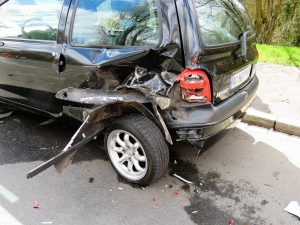
 Getting into a car accident is scary enough, but T-bone collisions? Those can be especially jarring. One moment you’re driving along, and the next—bam—another car slams into the side of yours. T-bone crashes, also known as side-impact collisions, are not only dangerous but often leave everyone involved asking the same question: Who’s at fault here?
If you’ve been in a T-bone accident in Worcester, figuring out who’s responsible isn’t always straightforward. But it’s a crucial part of filing a claim, especially if you’re dealing with injuries, car repairs, or lost wages. Let’s break down what you need to know to help clear things up.
What Exactly is a T-Bone Accident?
A T-bone accident happens when the front of one vehicle crashes into the side of another, forming a “T” shape. These often occur at intersections—think running red lights or not yielding at a stop sign—but they can also happen in parking lots or when someone’s making a left-hand turn across traffic.
Because the side of a car doesn’t offer as much protection as the front or back, injuries from T-bone collisions can be severe. That’s why it’s so important to figure out who was at fault—you’ll want to make sure the right party (and their insurance company) is held accountable.
Who’s at Fault in a T-Bone Collision?
Here’s the thing: fault in a T-bone accident depends on the specific circumstances. There’s no one-size-fits-all answer. But generally, the driver who didn’t have the right of way is the one who ends up being liable. That might mean someone ran a red light, ignored a stop sign, or made an illegal left turn.
For example:
- If someone ran a red light and hit you as you were driving through an intersection, they’re probably at fault.
- On the flip side, if you didn’t yield before making a left turn and got hit, the fault may lie with you.
That said, determining who had the right of way isn’t always black and white. In Worcester, with its mix of busy city intersections and tight side streets, these cases can get tricky.
Why Fault Matters So Much
Knowing who’s to blame is more than just pointing fingers. In Massachusetts, fault plays a big role in whether you can recover damages—and how much you can get. Massachusetts follows a modified comparative negligence rule. That means if you’re more than 50% at fault, you can’t recover compensation. Even if you’re less than 50% at fault, your compensation gets reduced based on your percentage of blame.
So yeah, figuring this out the right way matters. This is exactly where a Worcester personal injury lawyer can make a huge difference. They know the local laws, they’re familiar with how insurance companies operate, and they can help build a case that shows what happened.
What Kind of Evidence Helps Prove Fault?
After a T-bone accident, things can feel like a blur—but the more evidence you (or your lawyer) can gather, the stronger your case will be. Here’s what can help:
- Police Report: Always call the police after a car accident, especially one involving injuries. The report they file can include details about what happened, witness statements, and sometimes even who the officer thinks was at fault.
- Photos & Videos: Pictures of the crash scene, the vehicles involved, and any skid marks or traffic signs can provide important context. If there were security or traffic cameras nearby, your lawyer may be able to access that footage.
- Witnesses: People who saw the accident happen can help fill in the blanks. Their statements can be powerful when insurance companies are trying to figure out who was in the wrong.
- Vehicle Damage & Accident Reconstruction: Sometimes, where the damage occurred on the vehicles can help experts piece together how the crash happened. In more complex cases, accident reconstruction specialists are brought in.
A seasoned personal injury attorney in Worcester will know exactly what kind of evidence is needed and how to collect it. They can also work with professionals to build a strong case on your behalf.
How Insurance Companies Look at T-Bone Accidents
Let’s be real—insurance companies aren’t exactly known for being generous. Their goal is to pay out as little as possible. After a T-bone crash, both drivers’ insurance companies will conduct their own investigations. They’ll review the police report, talk to witnesses, look at photos, and might even inspect the damage themselves.
But here’s the catch: they might still try to shift some (or all) of the blame onto you—even if you weren’t at fault. That’s why it’s so important not to give a recorded statement or accept a quick settlement without speaking to a lawyer first.
A Worcester car accident lawyer can communicate with the insurance companies for you, make sure your side of the story is heard, and fight for the compensation you deserve.
Why You Shouldn’t Wait to Talk to a Lawyer
After an accident, your priority should be your health. But once you’ve seen a doctor and made sure you’re okay, it’s a smart move to reach out to a lawyer—sooner rather than later.
Here’s why:
- Deadlines matter: Massachusetts has a statute of limitations (usually 3 years for personal injury claims), but waiting too long can make it harder to gather evidence.
- Insurance companies act fast: While you’re recovering, they’re already working on their defense.
- You might be owed more than you think: A qualified Worcester personal injury lawyer will look at not just your immediate medical bills but long-term costs, lost wages, pain and suffering, and more.
Final Thoughts: Don’t Go It Alone
T-bone accidents are serious, and the aftermath can be stressful and confusing—especially when it comes to figuring out who’s at fault. Between dealing with injuries, car repairs, and pushy insurance adjusters, it can all feel overwhelming.
That’s why having a personal injury attorney in Worcester on your side isn’t just helpful—it can be a game-changer. They’ll handle the legal side of things while you focus on healing.
Whether you’re certain the other driver was at fault or you’re just not sure what your options are, talking to a Worcester car accident lawyer can give you the clarity and confidence you need moving forward.