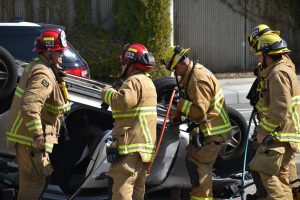
 Car accidents can unfold in seconds, and sometimes you may find yourself as the first person to witness the scene. In that moment, it is natural to feel uncertain about what to do. While you are not legally required to stay at the scene if you were not involved in the crash, your presence and cooperation can make a meaningful difference for the people affected. Knowing how to act responsibly allows you to assist without creating additional risks.
A small contribution, such as calling emergency services or providing your contact information, can prove invaluable later when accident victims seek justice or file claims. In fact, eyewitness accounts often play a central role in helping a Plymouth personal injury lawyer or personal injury attorney in Plymouth establish what truly happened. However, if you decide to offer support, it is equally important to ensure that your actions do not make the situation worse.
Remaining at the Scene: How Long Should You Stay?
As a bystander, you are not expected to remain at the scene for hours or disrupt your entire day. If you can safely stop, the most helpful step is to ensure authorities or emergency responders are notified. Once police officers arrive, you may provide them with your name and contact details so they can reach out to you later if your testimony is needed. After that, you are generally free to continue on your way.
This brief act of cooperation can become crucial in the weeks and months that follow. Insurance companies often rely heavily on neutral eyewitness testimony to piece together how the crash occurred. Victims who later work with a Plymouth car accident attorney or car accident lawyer in Plymouth may depend on your account to strengthen their claim. Without witnesses, many cases become one driver’s word against another’s, which can complicate liability and delay compensation.
Why Witnesses Matter in Accident Cases
Your observations carry weight because you are not directly involved. Unlike drivers or passengers who may have personal stakes in the outcome, a third-party witness provides impartial insight into what took place. For example, you may have noticed a driver speeding, running a red light, or glancing down at their phone before the collision. Even seemingly small details, such as the weather conditions, the traffic light cycle, or whether headlights were on, can be critical.
When victims later consult a personal injury attorney in Plymouth, your account can help establish fault, counter false claims, or verify accident reports. Attorneys often build cases on a combination of physical evidence, medical records, and witness testimony. In fact, credible witness statements have been known to tip the balance in settlement negotiations or court proceedings. By taking a few moments to share what you saw, you may play an essential role in ensuring that justice is served.
How to Assist Without Creating New Risks
It is one thing to stop and help, but it is another to do so safely. A well-intentioned bystander who acts carelessly can make a dangerous situation even worse. Here are several professional guidelines to follow:
Ensure your own safety first.
If you decide to pull over, park your vehicle in a safe spot away from traffic. Turn on your hazard lights to alert approaching drivers. Never stop in the middle of the road or in a way that blocks emergency access.
Contact emergency services.
If no one else has already called 911, take the responsibility of doing so. Be prepared to share the location, number of vehicles involved, visible injuries, and any immediate hazards such as fuel leaks or traffic blockages.
Provide basic support without overstepping.
Unless you are trained in emergency response, avoid moving injured individuals or attempting medical care beyond what is safe. Your role is to observe, call for help, and remain available for authorities.
Offer your information.
Before leaving, provide your name and contact details to responding officers or directly to the drivers involved. You do not need to stay for the full investigation; your testimony can be collected at a later time.
Leave space for professionals.
Once first responders arrive, avoid lingering in a way that distracts them from their work. Rubbernecking or attempting to watch closely can lead to distracted driving if you are still on the road. It can also contribute to traffic congestion, increasing the risk of a secondary accident.
Stay focused when driving away.
As tempting as it may be to look back at flashing lights, it is crucial to keep your attention on the road ahead. Many secondary collisions occur because drivers become distracted by the scene of an accident.
The Role of Attorneys in Using Witness Testimony
For accident victims, securing legal representation is often one of the most important steps toward recovery. A Plymouth personal injury lawyer will gather evidence to prove negligence, which frequently includes interviewing witnesses. Attorneys understand how to frame your observations in a way that supports the overall case without exaggeration or distortion.
Your statement may become part of the foundation that helps victims recover compensation for medical bills, lost income, rehabilitation, and emotional suffering. In cases where liability is disputed, an eyewitness account can sometimes be the deciding factor. Whether the matter is resolved through settlement negotiations or at trial, a Plymouth car accident attorney relies on these independent accounts to clarify what happened in the moments leading up to the collision.
Why Your Caution Benefits Everyone
The urge to stop and help is commendable, but responsible behavior ensures that your good intentions do not turn into an additional hazard. Distracted driving, blocking emergency vehicles, or standing too close to an active roadway can all escalate the danger. By following safe practices, you protect yourself, assist victims, and maintain the flow of emergency response.
Remember: a car accident scene is already stressful and dangerous. Your role is not to take over, but simply to support. Providing information calmly and leaving space for professionals to do their work is the best way to serve everyone involved.
Conclusion
Witnessing a car accident can be unsettling, but knowing how to respond helps prevent panic or harmful mistakes. If you have the ability, remain calm, call for help, and provide your information. Just a few minutes of your time can significantly help crash victims who later work with a car accident lawyer in Plymouth to pursue compensation. By being cautious and responsible, you can contribute to justice without putting yourself or others at risk.
Ultimately, your actions can bridge the gap between confusion and clarity, between unfair blame and rightful accountability. Witnesses are not required to do much, but the small effort of observing carefully, helping safely, and avoiding unnecessary risks makes a profound difference in the aftermath of an accident.