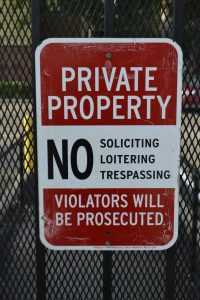
 If you were injured while on someone else’s property in Worcester, you may be wondering whether the property owner can be held responsible. The short answer is yes, sometimes. Whether you can recover damages depends a lot on Massachusetts law, who you were when you entered the property, what the property owner did or didn’t do, and other factors.
Who is a Trespasser?
A trespasser is a person who enters another person’s property without permission. It does not matter whether the trespasser had “bad” motives or simply wandered in by mistake. If you did not have consent (express or implied) to be on the land, you may be a trespasser. Under Massachusetts law, a property owner generally owes less duty of care to trespassers than to guests or licensees.
What Duty Does a Property Owner Owe to a Trespasser in Massachusetts?
Because you were on the property without permission, the property owner’s obligations are limited, but they are not zero. In Massachusetts:
- Private property owners generally owe no duty to discover unknown hazards for trespassers.
- However, if the owner knows that trespassers frequently come onto the property (for instance, people using it as a shortcut), the owner may have a duty to warn of known hazards or to take steps to control dangerous conditions.
- The owner must not engage in “willful, wanton, or reckless” misconduct that injures trespassers. That means they cannot set traps, use deadly force to defend only property, or do something intentionally dangerous just because someone is trespassing.
- If children are involved, special rules may apply under the doctrine of attractive nuisance: The owner may be liable if the property contains a dangerous condition that is likely to attract children and the owner fails to take reasonable steps to protect them.
So yes, a trespasser can, in limited cases, sue a property owner if the owner’s actions go beyond normal minimal duties, and especially if there was a known risk.
When Can a Trespasser Recover Damages in Worcester, Massachusetts?
Even though the bar is higher for trespassers, a claim may still succeed if you can show:
- The owner knew or should have reasonably known of the trespassers’ presence or of the dangerous condition and failed to act.
- The dangerous condition on the property caused your injury.
- You suffered actual damages (medical bills, lost wages, pain and suffering, etc.).
- The property owner engaged in conduct that was reckless or willful (if they seek to rely on the lower duty owed to trespassers) or otherwise breached a duty (e.g., in the case of frequent trespassers).
Massachusetts uses comparative negligence rules: if you were partially at fault, your recovery may be reduced accordingly. If you are more than 50 % at fault, you may be barred from recovery entirely.
Examples
- Suppose people regularly cut through a property in Worcester as a shortcut. The owner knows this but does nothing. One evening, someone slips in icy conditions on that property and is injured. Because the owner knew of the trespassing and the hazard, you may have a claim.
- On the other hand, if you trespassed into a remote field, the owner had no reason to expect you there, and you fell into an unmarked hole, your claim is much weaker.
- If the property owner intentionally sets a trap (e.g., a spring‐loaded device) and you trespass and get hurt, that is willful conduct, and they may be liable despite you being a trespasser.
- If a small child wanders into a property with a swimming pool that is unfenced and the owner has done nothing despite knowing kids might come, the owner may be liable even though the child was trespassing (attractive nuisance doctrine).
What Should You Do If You Are Injured on Someone Else’s Property?
Here are concrete steps to preserve your rights (and we mean preserve, not just hope):
- Seek Medical Attention – Your health comes first. Even if injuries seem minor, get checked out.
- Take Photos – Document the hazard (ice, broken rail, unguarded pool) and your injuries. Capture different angles, lighting, time stamps if possible.
- Report the Incident – If the property is a business or has management, report your injury and ask for an incident report.
- Gather Witness Info – If anyone saw it happen, take their contact details.
- Keep Everything – Don’t discard clothes, shoes, or items involved in the incident. They may help show what happened.
- Preserve Medical & Expense Records – Keep all bills, receipts, and lost wage documentation.
- Consult a Worcester Personal Injury Lawyer Early – In Massachusetts, the statute of limitations for these claims is generally three years from the date of injury.
Contacting a qualified personal injury attorney in Worcester as soon as possible will allow for the timely preservation of evidence and stronger chances for recovery.
Why Consult a Worcester Personal Injury Lawyer?
Because premises liability involving trespassers is more complicated than it looks. A good Worcester personal injury lawyer will:
- Evaluate your visitor status (trespasser vs licensee vs invitee) and how that affects duty.
- Investigate what the owner knew (or should have known) and when.
- Collect and analyze evidence: photos, surveillance, records of prior incidents, and maintenance logs.
- Quantify your damages (medical care, future care, lost wages, pain and suffering).
- Handle comparative negligence issues: did your own behavior contribute?
- Deal with insurance companies and legal technicalities like the statute of limitations.
- Present the case so you maximize your recovery potential.
Trying to go it alone is risky, especially if you were not welcome on the property. Having a lawyer levels the playing field.
What a Property Owner Should Know
If you own property in Worcester, you should be aware:
- Even though you owe less duty to trespassers, you cannot act recklessly or set traps.
- If you know that people regularly trespass on your property, you may have increased obligations (like warning of certain dangers or fixing hazards).
- Maintain records showing inspections, repairs, and warnings given. These can be important if someone claims injury.
- Ensure liability insurance covers potential claims, even from trespassers, under certain conditions.
- Consult an attorney whenever an incident occurs so you handle notice, warning signs, and liability appropriately.
In Summary
Yes, a trespasser can sue a property owner for injuries sustained on someone else’s property in Worcester—but success depends on state law, the specific facts, and the property owner’s behaviour. Massachusetts law imposes a limited duty on property owners toward trespassers, but the owner is not liable for reckless or intentional misconduct. If the owner is aware of repeated trespassing and hazardous conditions, they may be held liable for more. If you were injured, gather evidence quickly and consult a Worcester personal injury lawyer to understand your case, your rights, and your next steps.
Understanding these legal concepts is the first step toward making informed decisions. If you’d like, I can help you draft a checklist or summary tailored to Worcester‐area premises liability cases.