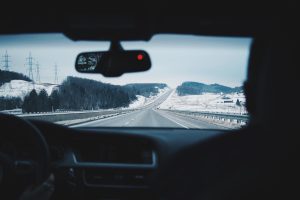
 Winter in Worcester hits hard. Snowstorms move in fast, ice forms overnight, and the roads can shift from safe to dangerous without warning. Drivers deal with slush, black ice, poor visibility, and long braking distances. These conditions make winter one of the most active seasons for collision claims in Massachusetts. A personal injury attorney in Worcester sees a clear pattern every year. Certain causes show up again and again, and the way insurance companies respond follows predictable steps.
Below is a clear breakdown of the most common winter crash causes in Worcester and what to expect when insurance companies evaluate compensation. This information helps you prepare if you ever need a Worcester car accident lawyer or a Worcester personal injury lawyer to protect your claim.
Common Winter Car Accident Factors in Worcester
Worcester has a mix of steep hills, sharp turns, older infrastructure and high-traffic main roads. Winter magnifies every weakness in those areas. Drivers often underestimate how fast the conditions change. Here are the leading causes documented in Massachusetts crash reports and local transportation studies.
Black Ice on Main Roads and Intersections
Black ice forms when temperatures drop after light snow or rain. It is nearly invisible and usually builds up on shaded areas, bridges, and sloped roads. Worcester’s Chandler Street, Grafton Street, Park Avenue and the I-290 ramps see frequent black ice-related crashes. Cars slide through stop signs or drift into lanes during turns. Police reports often show that drivers believed the road looked dry until the car lost control.
Heavy Snow and Limited Visibility
Snowstorms reduce visibility to a few car lengths. Worcester’s density makes this more dangerous because drivers follow closely on narrow streets. Snow buildup on headlights and taillights cuts visibility even more. Crashes often happen when a driver misjudges distance or cannot see a stopped vehicle ahead. The city also deals with snowbanks that block sightlines at intersections.
Braking Distance on Slush-Covered Roads
Wet slush increases braking distance by several car lengths. When the slush freezes, the wheels lose grip. Many rear-end collisions in winter come from drivers assuming their usual stopping distance works in bad weather. Worcester’s morning commute sees the highest rate because plows cannot clear all streets before traffic begins.
Drivers Traveling Too Fast for Conditions
Speed does not need to be high to be unsafe. Even 25 mph can cause a slide on untreated streets. Crash data from the Massachusetts Department of Transportation shows that “speeding for conditions” is one of the top three winter crash factors statewide. Worcester’s hills magnify the issue because a small speed increase affects how far a car slides downhill.
Sudden Lane Changes
Drivers may switch lanes to avoid snow piles or slow vehicles. A quick shift on ice leads to spinouts. Many winter sideswipe crashes happen when a driver tries to change lanes before the car is stable. Worcester’s multi-lane roads such as Lincoln Street and Burncoat Street see these incidents often.
Failure to Clear Snow from Car Roofs
Massachusetts law requires drivers to remove snow from their vehicles. Snow from the roof slides down onto the windshield or blows off into the path of another car. This leads to sudden braking and chain-reaction collisions. In heavy storms, Worcester police issue dozens of warnings for this problem.
How Insurance Companies Handle Winter Accident Claims
Insurance companies investigate winter accidents with extra scrutiny. They try to determine whether the crash was truly caused by weather or by driver behavior. When weather is involved, they often argue that both drivers share some percentage of fault. This affects compensation under Massachusetts comparative negligence rules.
A Worcester car accident lawyer studies the insurer’s arguments, evidence and the weather data from the day of the crash to push back on unfair fault assignments.
Weather Does Not Remove Driver Fault
Insurance adjusters look at whether the driver used reasonable caution. If a driver was speeding on ice, following too close or failed to clear their windows, the insurer will claim the driver contributed to the crash. Even when snow is heavy, insurers expect drivers to slow down and adjust.
Photo and Video Evidence Matters
Winter conditions change hourly. Strong evidence helps establish the true cause. Photos of the road surface, ice patches, snowbanks, skid marks and vehicle positions matter. Traffic camera footage from main Worcester roads can strengthen a claim. Insurance companies rely on these images more than verbal statements, especially in winter collisions.
Weather Reports Are Often Used in Disputes
Insurance companies check National Weather Service data to argue that conditions were or were not severe at the time of the crash. A Worcester personal injury lawyer often collects specialized winter-condition reports to counter claims that the weather was mild.
Higher Likelihood of Comparative Negligence Assignments
Insurers often assign percentages of fault to both parties. Even if you were driving safely, they may say you should have been more cautious because of snow or ice. This reduces your payout. A personal injury attorney in Worcester documents road treatment status, plowing schedules and traffic patterns to challenge unfair percentages.
Delays in Claim Processing During Winter
Winter brings a surge of claims across Massachusetts. Adjusters handle many cases at once, which slows response times. This delay affects rental car coverage and medical bill processing. Prompt documentation helps reduce the insurer’s ability to stall or reject claims because information arrived late.
How Compensation Typically Works
Compensation in Massachusetts usually covers
• vehicle repairs
• rental coverage
• medical costs
• lost income
• long-term rehabilitation
• pain and suffering if injuries are severe
Insurance companies examine whether the driver followed safe winter driving practices. They compare injuries and damage with vehicle speeds, road conditions and braking distance patterns. A Worcester personal injury lawyer ensures these evaluations are not used unfairly to minimize compensation.
Preventing Winter Crashes in Worcester
The best protection is simple preparation. Worcester public works advises drivers to carry winter tires, check brakes, clean windows fully and give extra space on hills. Winter tires alone can reduce stopping distance by more than 25 percent. Avoid sudden movements. Keep speed low on untreated streets. Many crashes come from routine drives where the driver assumed conditions were safe.
When You Need a Lawyer
A Worcester car accident lawyer helps when the insurance company tries to push blame onto you or lowball your compensation. Winter claims are complex because of shared fault arguments and rapid changes in conditions. A skilled attorney gathers technical evidence, works with accident reconstruction experts and handles negotiations so you do not get pressured into accepting less than you deserve.
A personal injury attorney in Worcester understands local roads, winter hazards and how Massachusetts insurers operate. This experience helps build a stronger case, especially when medical injuries grow more serious after the first week.