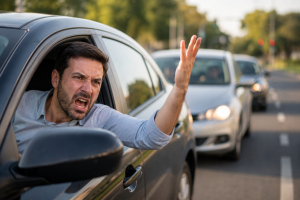
 Most drivers have had it happen to them at least once in their lifetime.
Someone cuts you off on the road. You’ve got a driver riding your bumper for miles. Another car cuts in front of you without signalling. Maybe someone honks aggressively at a red light the second it turns green. It takes just one moment of frustration for emotions to escalate behind the wheel.
The problem is that anger changes how people drive. It impacts judgment, patience, reaction time, and decision-making. An angry driver is far more likely to take risks they wouldn’t usually take. And those risky decisions can result in serious accidents.
Road rage and aggressive driving have become a big problem on American roads, including busy cities like Worcester, Massachusetts.
Anger Influences How Drivers React
When people are angry, they often think they are still in control. Usually, they are not. Emotions flare and drivers become more impulsive. They stop thinking rationally and begin to respond emotionally. They focus on “winning” the interaction with the other driver and not on safety. It is an attitude that leads quickly to dangerous situations.
An angry driver might:
- Driving too close behind another vehicle
- Speed up aggressively
- Change lanes when you don’t have enough room
- Disregard traffic signs
- Slam on the brakes to scare another driver
- Shout, signal or confront other drivers
These actions greatly increase the likelihood of car accidents. The scary thing is that many drivers don’t even realize how much their driving changes when they’re upset.
Tailgating is one of the most observed forms of aggressive driving
Tailgating is a constant thing. Someone gets impatient and drives inches behind the car in front, hoping the pressure will make the other driver speed up. However, tailgating offers almost no reaction time if traffic suddenly stops.
Tailgating can result in rear-end collisions that can cause:
- Whiplash injuries
- Brain injuries
- Back and spinal injuries
- Multiple-vehicle crashes
And in heavy traffic, an aggressive driver can cause a chain reaction involving several vehicles. Some people tailgate because they are running late. Sometimes they’re pissed off. Sometimes they just don’t know how dangerous it is.
Brake Checking Can Easily Lead to Serious Accidents
Another dangerous behavior related to road rage is brake checking. This is when a driver deliberately slams or taps their brakes to scare the driver behind them. Sometimes people treat it as a joke or a way to “teach someone a lesson.” It’s not.
Brake-checking at highway speeds can cause serious rear-end collisions or even cause another vehicle to go off the road. And legally, intentional aggressive driving behavior like this could matter in accident claims. If a crash occurs and one driver was reckless or aggressive, liability may shift significantly to that driver. This is one of the reasons that people involved in serious crashes often speak with a Worcester auto accident attorney after an accident.
Speeding is more dangerous when emotions are involved
Speeding is dangerous in itself. Speeding when angry is even worse. Angry drivers are more likely to . . .
- Put the pedal to the metal
- Weave through the traffic
- Forget safe following distances
- Go too fast on the tight turns
- Stop distance underestimated
Anger narrows the vision. Drivers become unaware of the bigger picture around them. They get obsessed with one thing, whether it’s passing another car or reacting emotionally to something that happened moments ago. That kind of loss of focus can be enough to cause a serious accident.
Fighting back against other drivers can quickly escalate
Some road rage goes beyond aggressive driving. Drivers stop their cars and bicker. People get out of cars. Verbal confrontations can quickly become physical. Such situations are dangerous and unpredictable.
The best thing you can do when it comes to aggressive drivers is stay away from them. Avoid eye contact with them. Do not reply to gestures. Don’t try to “win” the situation. It’s almost always the smarter call to create distance because once the emotions get involved between two drivers, things can escalate quickly.
Stress and Fatigue Make Angry Driving Worse
A lot of aggressive driving starts before someone even gets into the car.
People are stressed from work. Exhausted. Running late. Frustrated from personal issues.
Then traffic adds another layer of tension.
By the time one small thing happens on the road, emotions boil over.
That is why emotional awareness matters while driving. Sometimes the safest thing a person can do is recognize they are too upset to drive calmly.
Aggressive Driving Can Affect Accident Liability
Many drivers do not realize aggressive behavior can affect legal responsibility after an accident.
If evidence shows a driver was:
- Tailgating
- Speeding aggressively
- Weaving through traffic
- Brake checking
- Driving recklessly due to anger
that behavior may become important during insurance investigations or legal claims.
Witness statements, traffic cameras, dashcams, and police reports can all play a role in establishing what happened before a collision.
In serious cases, injured victims may work with a Worcester auto accident attorney to pursue compensation for medical expenses, lost income, and other damages caused by reckless driving.
How to Avoid Driving Angry
Nobody is calm all the time. That is realistic.
But there are ways to reduce the risk of emotional driving:
- Leave earlier when possible
- Accept traffic as part of driving
- Avoid engaging with aggressive drivers
- Take a few deep breaths after frustrating moments
- Pull over briefly if emotions become overwhelming
- Listen to calming music or podcasts
Sometimes the goal is simply not letting one bad moment control the next twenty minutes.
Final Thoughts
Driving angry may feel temporary, but the consequences can last much longer.
One impulsive decision behind the wheel can cause serious injuries, major financial consequences, or worse.
Most road rage situations start small. A lane change. A honk. A delay in traffic.
But when emotions take over, small situations can become dangerous very quickly.
Staying calm while driving is not just about being polite. It is about staying safe.
And if you have been injured in an accident caused by an aggressive or reckless driver, speaking with an auto accident lawyer in Worcester can help you understand your legal options and protect your rights.