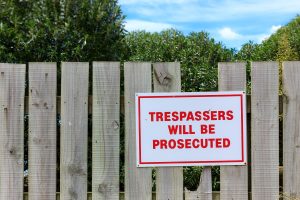
 You might think that trespassers, since they’re somewhere they shouldn’t be, wouldn’t have the right to sue if they’re injured on private property. After all, they didn’t have permission to be there, so why should the property owner be responsible? Surprisingly, though, it’s a bit more complicated than that. Understanding when and how someone injured on private property in Worcester might have grounds to sue can be tricky, which is why consulting with a knowledgeable Worcester personal injury lawyer is often essential.
Let’s dive into the legal responsibilities of property owners and the unique situations where a trespasser might actually have a case.
Property Owners’ Responsibility in Worcester
Property owners in Worcester—and across Massachusetts—have certain responsibilities to keep their premises safe. Legally, property owners must take reasonable steps to ensure their property doesn’t present dangers to people who may be on it. However, the level of responsibility varies depending on who enters the property:
1. Invitees: People who are invited onto the property, like friends, family, or customers, receive the highest duty of care. Property owners are required to regularly inspect the property, fix any hazards, and warn invitees of any potential dangers.
2. Licensees: This group includes social guests and individuals who enter the property for their reasons but with the property owner’s permission. Property owners must warn licensees of any known dangers.
3. Trespassers: This is where things get interesting. Property owners generally have the least responsibility toward trespassers—people who enter without permission. However, in some circumstances, property owners may still have legal obligations toward trespassers.
When a Trespasser Might Have a Case
So, does this mean that trespassers can never sue if they’re injured? Not quite. There are situations where a trespasser might be able to pursue a claim, especially with the help of a Worcester personal injury lawyer. Here are some examples of when a trespasser could have a valid case:
1. Willful and Wanton Conduct
Massachusetts law, like that in many states, makes an exception when it comes to intentional or reckless behavior by a property owner. If a property owner behaves in a “willful and wanton” manner, meaning they intentionally or recklessly create a dangerous situation that injures a trespasser, they could be liable. An example of willful and wanton behavior might include setting dangerous traps intended to harm trespassers or failing to secure obvious hazards that they know could injure someone—even someone uninvited.
For example, suppose a property owner in Worcester set up a trap in their backyard that could seriously harm someone, even though they know people occasionally walk through their yard to take a shortcut. If someone was injured because of this trap, they might have grounds for a lawsuit, despite being a trespasser.
2. Attractive Nuisance Doctrine
The “attractive nuisance doctrine” is another scenario where a property owner could be held responsible for injuries to trespassers, especially if the trespasser is a child. Under this doctrine, property owners must take steps to secure potentially dangerous features on their property that might attract children who don’t fully understand the risks. Think about things like swimming pools, abandoned vehicles, or even construction sites on private property—these areas are often intriguing to kids but can pose severe hazards.
If a child wanders onto a Worcester property and is injured by an attractive nuisance that wasn’t properly secured, their family could have grounds to file a personal injury lawsuit. A Worcester personal injury lawyer would consider whether the property owner took reasonable steps to prevent such incidents, like installing fencing around a pool or posting warning signs.
3. Negligence Towards Known Trespassers
In some situations, property owners may be aware that trespassers regularly enter their property. For example, if a certain path through a wooded area on the property is commonly used as a shortcut, and the property owner knows this but does nothing to address potential hazards, they could potentially be liable if a known trespasser is injured. This isn’t a guarantee, but a Worcester personal injury lawyer could investigate whether the property owner was negligent in addressing known risks to frequent trespassers.
The Role of a Worcester Personal Injury Lawyer
If you or someone you know has been injured as a trespasser, it can be challenging to determine whether you have a valid case. Property laws and liability vary from case to case, and an experienced Worcester personal injury lawyer can provide valuable guidance. Here’s why consulting with a local expert is essential:
Understanding Massachusetts Law: Personal injury laws differ from state to state, so having a lawyer familiar with Worcester and Massachusetts-specific regulations is crucial. A local lawyer will know the intricacies of state laws that might apply to your case.
Gathering Evidence: For a trespassing injury case, evidence is key. A personal injury lawyer can help gather photos, witness statements, and any other documentation necessary to build a strong argument.
Negotiating on Your Behalf: Trespassing cases are often complex and require negotiating with the property owner or their insurance company. A Worcester personal injury lawyer can negotiate for fair compensation, handling all the legal details so you don’t have to.
What Should You Do if Injured as a Trespasser?
If you’ve been injured on someone else’s property in Worcester, whether or not you were trespassing, it’s wise to take certain steps:
1. Seek Medical Attention: Your health is the priority. Getting medical care not only helps your recovery but also creates a record of your injuries, which may be helpful if you decide to pursue legal action.
2. Document the Scene: If possible, take photos of the area where you were injured and note any details that could be relevant to your case.
3. Consult a Worcester Personal Injury Lawyer: Even if you’re unsure about your rights as a trespasser, talking to a lawyer can clarify your situation. They can review the details of your case and let you know whether you have a viable claim.
Conclusion
While it may seem counterintuitive, there are situations where a trespasser can sue if they’re injured on private property in Worcester. Factors like the owner’s conduct, the presence of attractive nuisances, and known hazards can all impact a trespassing injury claim. Since trespassing cases often come down to legal nuances, reaching out to a Worcester personal injury lawyer is often the best way to understand your rights and options.
No matter your situation, don’t hesitate to explore your legal options. After all, navigating Massachusetts’ property laws can be challenging, and a knowledgeable personal injury lawyer can help clarify your rights, whether you were a guest or just passing through.