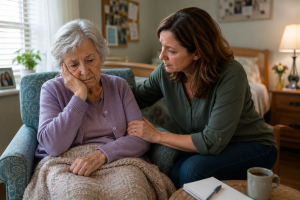
 Many people think nursing home abuse means physical violence. That is one type, but it is not the only one. Abuse can also be emotional, financial, sexual, or related to neglect. Some residents suffer harm for weeks or months before anyone outside the facility understands what is happening.
As a family member, you may be the first person to notice changes. You know your loved one’s personality, habits, and comfort level. If something suddenly feels different, you should not ignore it.
A Worcester nursing home abuse lawyer may help you investigate what happened if your loved one was injured or mistreated in a care facility. Understanding the different forms of abuse can help you recognize warning signs sooner.
Physical Abuse
Physical abuse involves force that causes pain, injury, or fear. It may include hitting, pushing, slapping, kicking, shaking, burning, or rough handling. It may also involve improper use of restraints.
You may notice bruises, cuts, swelling, fractures, or repeated injuries that do not have clear explanations. Your loved one may flinch when touched or become nervous around certain staff members. If the story about an injury keeps changing, that is a serious concern.
Some physical abuse happens during routine care, such as bathing, dressing, feeding, or transferring a resident from bed to wheelchair. Caregivers must handle residents with patience and respect, even when the work is difficult.
Emotional Abuse
Emotional abuse can be harder to see, but it can deeply harm a resident. It may include yelling, insults, threats, humiliation, intimidation, isolation, or treating the resident like a burden.
Your loved one may become withdrawn, anxious, depressed, or unusually quiet. They may cry more often or avoid speaking when staff members are nearby. Some residents stop joining activities because they feel embarrassed or afraid.
Emotional abuse can be especially harmful for residents who already feel vulnerable because of age, illness, or loss of independence. No one should spend their later years being mocked, threatened, or ignored.
Neglect
Neglect happens when a nursing home fails to provide necessary care. This may include poor hygiene, missed meals, dehydration, untreated wounds, medication mistakes, fall risks, or failure to respond to call bells.
Neglect is not always intentional, but it can still cause serious harm. A facility that does not have enough staff or proper systems can put residents in danger every day.
Warning signs include dirty clothing, strong odors, bedsores, sudden weight loss, worsening medical conditions, and repeated infections. A nursing home abuse attorney in Worcester can review whether these problems suggest a failure in care.
Financial Abuse
Financial abuse occurs when someone takes or misuses a resident’s money, property, or personal information. This may involve stolen cash, missing jewelry, unauthorized withdrawals, fake charges, or pressure to change legal documents.
Older adults with memory loss or limited family visits may be easier targets. They may not notice missing items or may feel too embarrassed to report what happened.
You should watch for unusual bank activity, missing belongings, sudden financial stress, or unexplained changes in documents. If your loved one says someone is asking for money or gifts, take it seriously.
Sexual Abuse
Sexual abuse in nursing homes is a serious and frightening issue. It can involve unwanted touching, assault, coercion, or exploitation of a resident who cannot give consent. Residents with dementia, disabilities, or communication difficulties are especially vulnerable.
Warning signs may include bruising around private areas, torn clothing, unexplained infections, bleeding, fearfulness, or sudden emotional distress. These signs require immediate attention.
If you suspect sexual abuse, prioritize your loved one’s safety and medical care. You may need to contact law enforcement and remove them from the environment.
Medication-Related Abuse
Some nursing homes misuse medication to control residents. A resident may be overmedicated so they become quiet, sleepy, or easier to manage. This is sometimes called chemical restraint.
You may notice your loved one suddenly seems unusually drowsy, confused, weak, or disconnected. Medication changes should be explained clearly and documented properly.
Medication errors can also be neglect. Wrong dosages, missed prescriptions, or dangerous drug combinations can cause serious health problems.
Why Abuse Happens
Abuse and neglect often happen in facilities with poor staffing, weak supervision, limited training, and bad management. Some employees may be overwhelmed. Others may be careless or cruel. Either way, the facility has a responsibility to protect residents.
Nursing homes must hire qualified workers, train staff properly, monitor residents, maintain safe conditions, and respond to complaints. When they fail, residents can suffer preventable harm.
You Have the Right To Ask Questions
If you suspect abuse, you are not being difficult by asking questions. You are protecting someone who may not be able to protect themselves.
Document your concerns, speak with your loved one privately, report urgent danger, and seek legal guidance if harm has occurred. Your loved one deserves safety, dignity, and care that meets basic human standards.