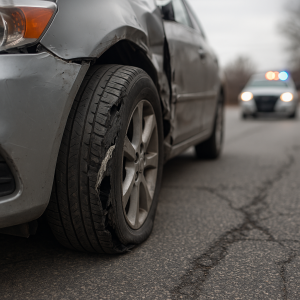
 Driving in Fall River means dealing with uneven roads, potholes, rain, snow, and sudden stops. When a vehicle loses control because of worn, defective, or improperly installed tires, the result can be serious injuries and costly damage. If bad tires caused your accident, you may have a valid personal injury claim under Massachusetts law.
This guide explains how these cases work, who may be responsible, what evidence matters, and how a personal injury attorney in Fall River can help you recover compensation.
Understanding Tire-Related Accidents in Fall River
Tire-related accidents happen when tires fail to grip the road, blow out, separate, or lose pressure at the wrong moment. In Fall River, these incidents often occur on wet roads, during winter conditions, or on streets with surface damage.
Bad tires increase stopping distance and reduce steering control. Even at low speeds, failure can cause a vehicle to slide into traffic, strike a curb, or collide with another car.
Tire problems involved in accidents often include worn tread below legal limits, sidewall damage, dry rot, manufacturing defects, improper tire size, overinflation or underinflation, and poor installation.
When a tire issue causes an accident, liability does not always fall on the driver alone. Responsibility may rest with multiple parties depending on the facts.
Who Can Be Held Responsible for an Accident Caused by Bad Tires
Liability depends on why the tire failed and who had control over its condition.
The Vehicle Owner
Massachusetts law requires vehicle owners to maintain their cars in a safe operating condition. This includes tires with legal tread depth and no visible damage. If you own the vehicle and ignored warnings, skipped inspections, or continued driving on unsafe tires, you may bear responsibility.
If another driver owned the vehicle and failed to maintain their tires, you may be able to file a claim against their insurance.
Tire Manufacturers
Some accidents are caused by defective tires, not poor maintenance. Manufacturing defects may include weak belts, tread separation, or faulty materials. These defects can cause sudden blowouts without warning.
If a defect caused the tire to fail, you may have a product liability claim against the manufacturer. These cases require technical evidence and expert analysis.
Tire Shops and Mechanics
Improper installation can be just as dangerous as worn tires. Errors may include incorrect tire size, poor balancing, failure to tighten lug nuts, or damage during mounting.
If a shop recently serviced the tires and the failure can be traced to their work, they may be liable for negligence.
Employers and Commercial Vehicle Owners
If the accident involved a commercial vehicle, responsibility may fall on the company that owned or maintained the vehicle. Employers are required to inspect and maintain fleet vehicles regularly.
A Fall River personal injury lawyer can identify all potentially responsible parties and pursue claims against each one.
Massachusetts Laws That Apply to Tire-Related Accidents
Massachusetts follows a modified comparative negligence rule. You can recover compensation if you are less than 51 percent at fault. Your compensation is reduced by your percentage of fault.
The state also enforces minimum tire tread depth requirements. Tires must have at least 2 32nds of an inch of tread. Driving with bald tires can be considered negligence.
Massachusetts has a three year statute of limitations for personal injury claims. The clock starts on the date of the accident. Missing this deadline usually means losing your right to compensation.
Product liability claims follow strict legal standards. You must prove that the tire was defective and that the defect caused the accident.
What You Must Prove in a Bad Tire Accident Case
To succeed, you must show four elements.
You must show that the responsible party owed you a duty of care. You must show that they breached that duty. You must show that the breach caused the accident. You must show that you suffered damages.
In tire cases, causation is often the hardest part. You must connect the tire failure directly to the accident, not just show that the tire was worn or damaged.
This is where evidence matters.
Evidence That Strengthens a Tire-Related Injury Claim
The Tire Itself
Preserve the tire if possible. Do not repair or discard it. A damaged tire can reveal tread separation, defects, or improper wear patterns.
Accident Report
Police reports often note visible tire conditions, skid marks, and road conditions. These details help establish fault.
Maintenance and Service Records
Receipts and service records show whether tires were properly maintained or recently serviced. Missing maintenance can support a negligence claim.
Expert Analysis
Engineers and tire experts can examine the tire and determine whether failure was due to defect, wear, or improper installation.
Photos and Video
Photos of the tire, the scene, road conditions, and vehicle damage help explain how the accident occurred.
Medical Records
Medical documentation links your injuries directly to the accident and establishes the value of your claim.
A car accident attorney in Fall River knows how to secure and preserve this evidence before it disappears.
Common Injuries in Tire Failure Accidents
Tire-related accidents often involve sudden loss of control, which increases the risk of serious injury.
Common injuries include whiplash, back injuries, spinal disc damage, broken bones, head injuries, and soft tissue damage. Some injuries worsen over time and require long-term treatment.
Even low-speed accidents can cause lasting pain, especially when the impact is unexpected.
Prompt medical care protects both your health and your legal claim.
Compensation You May Be Entitled To
A successful claim may include compensation for medical expenses, future medical care, lost income, reduced earning capacity, pain and suffering, emotional distress, and property damage.
In cases involving reckless behavior or gross negligence, additional damages may apply.
A Fall River auto accident lawyer can calculate the full value of your claim and push back against low insurance offers.
Dealing With Insurance Companies After a Tire Accident
Insurance companies often argue that tire failure was unavoidable or caused by driver error. They may claim poor road conditions or normal wear.
Do not accept these explanations without investigation. Insurers aim to minimize payouts.
Avoid giving recorded statements without legal advice. Do not sign settlement agreements before understanding the long term impact of your injuries.
A personal injury attorney in Fall River handles all communication with insurers and protects your rights.
Product Liability Claims for Defective Tires
Defective tire cases differ from standard accident claims. You must prove that the tire was unreasonably dangerous and failed during normal use.
Manufacturers often fight these claims aggressively. They use technical experts and extensive legal teams.
An experienced Fall River personal injury lawyer understands how to handle product liability cases and work with engineers who can testify about defects.
These cases often involve higher compensation due to the severity of injuries and the nature of the defect.
Why Local Experience in Fall River Matters
Local attorneys understand Fall River roads, traffic patterns, and court procedures. They know how local insurers operate and how judges handle injury cases.
A car accident attorney in Fall River can investigate local repair shops, subpoena service records, and work with Massachusetts-based experts.
This local knowledge improves efficiency and strengthens your case.
What to Do After an Accident Caused by Bad Tires
Seek medical care immediately. Call the police and request an accident report. Take photos if safe. Preserve the tire and vehicle. Avoid discussing fault. Contact a Fall River auto accident lawyer as soon as possible.
Early legal guidance prevents mistakes that weaken your claim.
How a Personal Injury Attorney in Fall River Helps
An attorney investigates the cause of the tire failure, identifies all liable parties, preserves evidence, works with experts, negotiates with insurers, and prepares your case for trial if needed.
Most personal injury attorneys work on a contingency fee basis. You pay nothing unless compensation is recovered.
Legal support allows you to focus on recovery while your case is handled professionally.
Final Thoughts
Accidents caused by bad tires are not always simple. Responsibility may involve drivers, manufacturers, repair shops, or employers. The right evidence and legal strategy make the difference.
If you were injured due to tire failure, a fall river personal injury lawyer can evaluate your case, explain your options, and pursue the compensation you deserve under Massachusetts law.