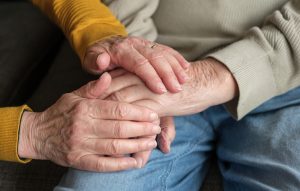
 When you trust a nursing home to take care of your loved one, you expect them to be treated with respect, dignity, and proper care. Unfortunately, that’s not always the case. Nursing home abuse is a heartbreaking reality for many families, and if you suspect that a loved one has been harmed, you’re probably wondering—who is responsible?
Understanding liability in nursing home abuse cases is essential if you want to take legal action. Whether it’s the facility itself, a staff member, or even a third-party contractor, holding the right party accountable can make all the difference. If you’re in this situation, speaking with a Hyannis nursing home abuse attorney can help you figure out your next steps.
Who Can Be Held Liable for Nursing Home Abuse?
Several parties could be legally responsible for nursing home abuse, depending on the circumstances. Here are the most common ones:
1. The Nursing Home Itself
In many cases, the nursing home is responsible for what happens under its roof. If they fail to properly hire, train, or supervise their staff, they can be held liable for any abuse or neglect that occurs. Common reasons a nursing home might be legally responsible include:
- Understaffing – Not having enough caregivers leads to neglect.
- Negligent hiring – Failing to check backgrounds of employees.
- Lack of supervision – Allowing staff to act inappropriately without oversight.
- Failure to report abuse – Ignoring complaints from residents or families.
A nursing home abuse attorney in Hyannis can help you determine if the facility itself should be sued for your loved one’s suffering.
2. Individual Staff Members
Sometimes, abuse is directly caused by a nurse, caregiver, or another employee. If an individual staff member is found guilty of harming a resident, they could be personally responsible. However, the facility may still be held accountable if they allowed that staff member to work despite a history of misconduct.
3. Third-Party Contractors
Not everyone who works in a nursing home is a direct employee. Some medical professionals, maintenance workers, or food service providers may be contracted by outside companies. If a third-party worker engages in abuse or negligence, their employer might be liable.
4. Pharmaceutical Companies or Medical Equipment Providers
In some cases, the problem isn’t the facility or its staff but rather a defective medication or medical device that harms residents. If a medication has severe side effects or a wheelchair malfunctions, the manufacturer could be held responsible.
5. Other Residents
Elderly individuals in nursing homes sometimes harm one another, whether through physical violence, verbal abuse, or even sexual assault. If a nursing home fails to prevent resident-on-resident abuse, they could be held accountable for neglecting their duty to provide a safe environment.
How Can You Prove Nursing Home Abuse?
If you suspect abuse or neglect, gathering evidence is crucial. Here’s what you can do:
- Document everything – Keep records of injuries, changes in behavior, and any concerning incidents.
- Take photos or videos – Visual proof of bruises, bedsores, or poor living conditions can be strong evidence.
- Request medical records – Any unexplained injuries or sudden health declines should be documented by a doctor.
- Speak to other residents and families – Others may have noticed similar issues.
- File a complaint – Report the abuse to the Massachusetts Department of Public Health or local authorities.
A Hyannis nursing home abuse attorney can help you collect the right evidence and build a strong case.
What Compensation Can You Receive?
If your loved one has suffered abuse in a nursing home, they may be entitled to financial compensation. This could cover:
- Medical expenses for treatment
- Pain and suffering
- Emotional distress
- Relocation costs if they need to be moved to a safer facility
- Punitive damages (if the abuse was especially severe)
A skilled nursing home abuse attorney in Hyannis will fight to get your family the justice and compensation you deserve.
What Should You Do If You Suspect Nursing Home Abuse?
If you believe your loved one is being abused in a nursing home, take action immediately:
- Ensure their safety – If they are in immediate danger, remove them from the facility and call 911.
- Report the abuse – Notify the nursing home management, local law enforcement, and the Massachusetts Elder Abuse Hotline.
- Consult with an attorney – A Hyannis nursing home abuse attorney can guide you through the legal process and help you seek justice.
Final Thoughts
No one should have to suffer abuse or neglect in a nursing home. If your loved one has been harmed, don’t wait—take action today. A nursing home abuse attorney in Hyannis can help you hold the right people accountable and fight for the justice your family deserves.
If you’re dealing with a potential nursing home abuse case, reach out to a local attorney who specializes in elder abuse cases. They’ll help you understand your rights, gather evidence, and take legal action to protect your loved one.