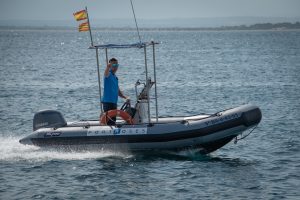
 Boating is a beloved pastime in New Bedford, MA, with its scenic coastal waters and vibrant maritime community. But like any activity involving motorized vehicles, boating comes with risks, and accidents can lead to serious injuries or even tragic fatalities. Understanding the leading causes of boating accidents—and knowing what steps to take afterward—can make all the difference in preventing harm and protecting your rights if an accident occurs.
Whether you’re a seasoned boater or just starting, let’s break down the most common causes of boating accidents and some practical steps you can take if you’re ever involved in one.
The Main Causes of Boating Accidents in New Bedford
1. Distracted Boat Operator
Distracted boating is one of the most common causes of accidents. Operators are responsible for staying vigilant, which includes monitoring weather, wind patterns, and other boats on the water. But distractions—whether from passengers, mobile devices, or scenery—can lead operators to overlook critical safety cues. Missing hazards, speeding, or making sharp turns while distracted can result in dangerous, sometimes deadly, outcomes.
2. Inexperienced Operator
Boating requires skill and knowledge, but not all boat operators are well-versed in navigation rules or emergency response. The U.S. Coast Guard has found that many operators lack the experience to handle emergencies properly. New boaters are encouraged to take courses that teach navigation basics, emergency prep, and the fundamentals of safe boating, so they’re prepared for the fun and the unexpected.
3. Boating Under the Influence
Operating a boat under the influence of alcohol or drugs impairs judgment and reaction times, greatly increasing the likelihood of an accident. In Massachusetts, boating with a blood alcohol concentration (BAC) of 0.08% or higher is illegal. The consequences of boating under the influence aren’t just legal—they’re also deadly, often leading to severe injuries and fatalities. Alcohol is a leading factor in fatal boating accidents, which is why operators must stay sober on the water.
4. Faulty Equipment
Equipment issues can turn a routine outing into an emergency. Boats require regular maintenance, as malfunctioning equipment can quickly lead to disaster. According to the U.S. Coast Guard, equipment failures like throttle, steering, and engine issues are among the main culprits in boating accidents. Before heading out, you must perform safety checks on your boat’s systems, including fuel, electrical, and navigation aids, to reduce the risk of unexpected mechanical failures.
5. Bad Weather
Weather can change rapidly, and stormy conditions or high winds can make the water unsafe in a matter of minutes. For this reason, boaters must keep an eye on weather alerts and forecasts. Even on a clear day, staying aware of potential shifts in weather can prevent dangerous encounters with strong winds or sudden rain.
6. Excessive Speed
Speeding on water, much like on land, reduces a driver’s ability to react to obstacles. According to the Coast Guard, excessive speed contributed to hundreds of accidents, injuries, and fatalities in recent years. Maintaining a reasonable speed allows boaters more time to react to other vessels, swimmers, or unexpected hazards.
7. Overloaded Boats
Overloading a boat with too many passengers or excessive cargo can lead to capsizing. Every boat has a designated capacity, and surpassing this limit puts everyone on board at risk. Following weight guidelines and ensuring proper weight distribution is key to keeping a vessel balanced and safe on the water.
8. Ignoring Navigational Rules
Boating, like driving, comes with a set of rules to ensure everyone’s safety. Ignoring these navigational rules—such as right-of-way regulations—can lead to collisions or grounding incidents. It’s crucial to familiarize yourself with these rules before setting sail to ensure a smooth and safe journey.
Types of Boating Accidents and Common Injuries
Boating accidents can vary in nature, with different scenarios leading to specific types of incidents and injuries. Here are a few of the most common types:
Boat Collisions: Collisions often lead to passengers being thrown from their seats, potentially into the water. Without seat belts, which are not typically used on boats for safety reasons, passengers are more vulnerable to injury in these high-impact crashes.
Yacht Accidents: Yachts require experience and a specific skill set to operate safely. When operators disregard safety rules or speed excessively, the risk of a serious accident increases. Given the size of these vessels, the potential for injury and damage is significant.
Grounding: Boats can collide with sandbars or underwater land masses, which may not be visible from the surface. When grounding occurs, boats can get stuck or sustain damage, sometimes stranding passengers until help arrives.
Swamping and Flooding Accidents: Boats may swamp or flood due to bad weather, high waves, or operator error. Swamping is particularly dangerous for non-swimmers and passengers without life jackets, as they’re more likely to drown in these situations.
Skier Mishaps: When water skiing, a skilled and attentive boat operator is critical for the skier’s safety. Skiers risk injury if the boat operator lacks skill, or if the skier loses control and enters the water at a bad angle.
What to Do After a Boating Accident in New Bedford
If you’re involved in a boating accident, your priority is ensuring everyone’s safety. Here’s a quick guide on what to do:
1. Check on Everyone: If the boat is still intact, check to see if anyone is injured or needs immediate medical attention. If someone has fallen overboard, help them back onto the boat if you can safely do so.
2. Stay with the Boat: Never leave the scene of an accident. If your boat is damaged, try to hold onto any floating debris to stay afloat until help arrives.
3. Gather Information: If you’ve collided with another vessel, it’s essential to exchange information with the other operator. Make sure you collect the following details:
– Insurance policy numbers and company names of all boat owners involved
– Contact information for all passengers and witnesses
– Registration numbers of the boats involved
4. Take Photos: Photographic evidence can be crucial for any future claims. Capture images of the damage from multiple angles and document the surrounding conditions.
5. Contact a New Bedford Boating Accident Lawyer: If you or someone else is injured, or if the accident caused significant damage, it’s a good idea to consult a boating accident lawyer. Navigating maritime law can be complex, and a specialized New Bedford boating accident lawyer can guide you through the process, ensuring you take the right steps to protect your rights and maximize any compensation you may be owed.
In conclusion, boating in New Bedford offers fantastic recreational opportunities, but it’s essential to stay informed and vigilant. By recognizing common causes of accidents and knowing what to do if one occurs, you can help keep yourself and your fellow boaters safe on the water.