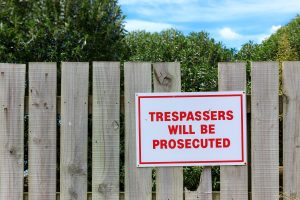
 Now this might sound like something out of a courtroom drama or an episode of a legal TV show, but it’s a real question that comes up more often than you’d think: Can a trespasser sue if they get hurt on someone else’s private property?
At first glance, the answer feels like a big fat “No.” After all, if someone’s not supposed to be there in the first place, how could they possibly have the right to sue the property owner? But like most legal issues, it’s not that black and white. There are some surprising exceptions, and if you’re a property owner—or someone who’s been injured—you’ll want to understand how this works.
First Things First: What is Trespassing?
Trespassing is basically being somewhere you’re not supposed to be. If someone enters or stays on private property without permission, that’s trespassing. It doesn’t matter if there’s a “No Trespassing” sign or not (though signs help); what matters is whether the person had the owner’s consent to be there.
But here’s the twist—just because someone is trespassing doesn’t automatically mean they give up all their rights.
So, Can a Trespasser Actually Sue?
Surprisingly, yes. In some situations, a trespasser can sue if they’re injured, but there are some particular rules around it.
Generally, property owners don’t owe trespassers the same duty of care that they owe guests or customers. If someone is invited to your home or visits your business, you’re expected to keep the place reasonably safe for them. But with trespassers? The bar is set much lower.
Still, there are exceptions. And that’s where things can get a little tricky.
When a Property Owner Might Be Liable
Even though property owners don’t have to go out of their way to protect trespassers, they can’t deliberately hurt them either. That means setting up traps, using excessive force, or doing anything with the intent to harm someone—even if that someone shouldn’t be there in the first place—is a big no-no.
Here are a few scenarios where a trespasser might actually have a case:
1. Willful or Wanton Misconduct
If a property owner knows people tend to trespass on their land—maybe kids cut through the backyard on the way to school—and does something reckless like stringing up a wire at neck height or leaving dangerous equipment out, that’s considered willful or wanton misconduct. If someone gets hurt because of that, the owner could be held responsible.
2. The “Attractive Nuisance” Doctrine (Especially for Kids)
This one’s important for families. If you’ve got something on your property that might be especially tempting to kids—like a swimming pool, a trampoline, or even a broken-down car—you could be liable if a child trespasses and gets injured. Why? Because kids don’t always understand danger the way adults do. The law expects property owners to take extra steps to secure those types of attractions, especially if they know kids are nearby.
3. Failure to Warn About Known Dangers
Even for adult trespassers, if there’s a known danger on the property—like an abandoned well, electrical hazard, or unstable structure—and the property owner knew about it but didn’t take steps to warn or prevent access, that could lead to liability.
Real Talk: These Cases Are Complicated
If you’re a property owner in Massachusetts, especially in a place like New Bedford, it’s a smart move to understand your responsibilities. And if you’re someone who got hurt—even if you were technically trespassing—it might still be worth speaking to a New Bedford personal injury lawyer to see if you have a case.
That’s because these situations often come down to the details. Things like:
- Did the property owner know people were trespassing?
- Was there something unusually dangerous on the property?
- Did the injured person know they weren’t supposed to be there?
- Was the injured person a child or someone with limited understanding of risk?
These aren’t always easy questions to answer on your own. That’s where an experienced personal injury attorney in New Bedford comes in. They know the local laws and how the courts tend to view these kinds of claims.
What Should Property Owners Do?
If you own property, especially if it’s vacant, has dangerous features, or is in an area where people might wander in, here are some simple tips to protect yourself:
- Put up clear signage (like “No Trespassing” or “Private Property” signs)
- Fix obvious hazards—don’t leave broken stairs, exposed wires, or unstable buildings unattended
- Lock things up—gates, fences, doors
- Secure pools or play equipment with covers, fences, or locks
- Document everything—take photos of warning signs or safety measures you’ve taken
Taking these steps won’t just help keep people safe; they’ll also help protect you legally if someone gets hurt.
Injured While Trespassing? Talk to a Lawyer Anyway
Let’s be honest—if you’re the one who got hurt while on someone else’s property without permission, you might feel like you don’t have any legal options. But don’t just assume that. The specifics matter a lot in these cases, and you could be entitled to compensation if the property owner was especially careless or reckless.
That’s why it’s worth reaching out to a New Bedford personal injury lawyer who can look at your case and let you know where you stand. They’ll be able to break down your rights in a way that’s easy to understand and give you solid advice on what to do next.
Final Thoughts
While it might sound wild, yes, a trespasser can sue if they’re injured on private property—but it’s not easy. These cases depend heavily on the specific circumstances, and Massachusetts law has some unique nuances that make it worth getting professional legal guidance.
Whether you’re a property owner wanting to protect yourself or someone who’s been injured and unsure of your rights, don’t navigate it alone. A knowledgeable personal injury attorney in New Bedford can help you understand what’s fair, what’s legal, and what your next steps should be.
When it comes to the law, the fine print matters—and so do the facts.