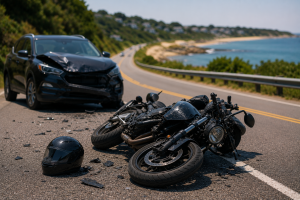
 Route 6 is the spine of Cape Cod. It runs from the bridges all the way out to Provincetown, and for motorcyclists, it can be one of the more enjoyable stretches of road in southeastern Massachusetts, especially once the summer traffic starts to thin out. But it is also one of the more dangerous corridors on the Cape, and motorcycle accidents here tend to be more severe than car crashes for reasons that are worth understanding before you ever need to deal with an insurance company or a courtroom.
If you or someone you care about was hurt in a motorcycle accident on Cape Cod, talking to a personal injury lawyer in Hyannis early on can make a meaningful difference in what you ultimately recover.
Why Motorcycle Crashes on the Cape Are a Different Kind of Case
Motorcyclists face a bias problem in personal injury claims, and it is worth naming directly. Jurors and insurance adjusters sometimes arrive with a preconceived idea that riders are reckless by nature. That assumption is not backed up by crash data, but it shapes how insurance companies approach initial offers and how defense attorneys frame arguments.
An experienced Hyannis personal injury attorney who has handled motorcycle cases understands this dynamic and knows how to counter it. Building a strong liability case means getting ahead of the narrative before it forms.
The Most Common Causes of Motorcycle Accidents on Cape Cod Roads
On Route 6 and the surrounding roads, a few patterns come up repeatedly in motorcycle accident cases.
Left-turn crashes are the most common type of motorcycle collision nationally, and Cape Cod is no exception. A driver turning left across oncoming traffic misjudges the speed of an approaching motorcycle, or simply does not see it, and the results can be catastrophic. Motorcycles are narrower and less visually prominent than cars, and drivers often fail to account for them at intersections.
Sand and debris on the road surface create a hazard that car drivers might barely notice but that can cause a motorcycle to lose traction almost instantly. After winter, before road crews have fully cleared the Cape’s secondary roads, this is a real concern. It also comes up on shoulder areas near construction zones.
Tourist traffic is another significant factor. Drivers unfamiliar with Cape Cod roads are more likely to brake suddenly, drift between lanes, or make erratic movements as they look for a turn or react to GPS directions. Motorcyclists traveling behind or alongside these drivers have less margin for error than someone in a sedan or SUV.
Door crashes, also called dooring, are a concern in downtown Hyannis and in village centers along Route 6A, where parallel parking puts cyclists and motorcyclists in a vulnerable position when a car door opens suddenly into traffic.
Massachusetts Helmet Law and What It Means for Your Claim
Massachusetts requires all motorcycle operators and passengers to wear helmets. This is one of the stricter states in the country on this point. If you were not wearing a helmet at the time of your accident, the defense will almost certainly raise this as a factor in your claim.
Under Massachusetts’ modified comparative negligence rule, you can still recover damages as long as you were not more than 50 percent at fault for the accident. However, your recovery is reduced by your percentage of fault. If a jury finds you 20 percent responsible because you were not wearing a helmet and suffered a head injury, your compensation is reduced by 20 percent. A personal injury lawyer in Hyannis can help you understand how this applies to your specific situation.
The Serious Injury Threshold and Why It Usually Applies in Motorcycle Cases
Massachusetts is a no-fault insurance state, which normally means your own PIP coverage pays first regardless of fault. Motorcycles, however, are not required to carry PIP coverage under Massachusetts law. This is a quirk that many riders do not know about until after an accident.
What this means practically is that if you were on a motorcycle and got hit by a car, you may not have PIP benefits to draw on from your own policy. You would typically look first to the at-fault driver’s liability coverage, and potentially to your own uninsured or underinsured motorist coverage if you carry it.
Given the severity of injuries that commonly result from motorcycle crashes, the serious injury threshold is often met without question. Fractures, surgeries, extended rehabilitation, and permanent limitations are all common outcomes that place a claim well within the range where a full tort claim against the at-fault driver makes sense.
Evidence That Matters in a Cape Cod Motorcycle Accident Case
Physical evidence from the accident scene disappears quickly. Skid marks fade, debris gets cleared, road conditions change. If you are physically able, or if someone at the scene can help you, document everything immediately with photos. Get the names and phone numbers of witnesses before they drive away.
Request the police report as soon as it becomes available, and review it carefully. Officers sometimes make preliminary fault determinations in the narrative that can work in your favor or that may need to be challenged.
Medical records are another critical piece. Seek treatment right away, even if your injuries feel manageable in the immediate aftermath of the crash. Adrenaline masks pain, and some injuries including internal bleeding, soft tissue damage, and traumatic brain injury may not present obvious symptoms for hours or even days. A gap in your medical treatment gives insurance companies grounds to argue that your injuries were not as serious as you claim.
What a Hyannis Personal Injury Attorney Can Actually Do for You
A good personal injury lawyer in Hyannis handles the investigation, the legal filings, and the negotiations while you focus on recovering. They can send a spoliation letter to preserve any dashcam footage, traffic camera footage, or data from the at-fault vehicle’s event data recorder before it gets overwritten or destroyed. They work with accident reconstruction experts when liability is disputed. And they understand how to properly value a claim that includes not just medical bills, but lost wages, diminished earning capacity, pain and suffering, and the impact on your daily life.
Most importantly, they do not get paid unless you do. Personal injury cases in Massachusetts are typically handled on a contingency fee basis, which means the financial barrier to getting strong legal help is lower than most people expect. If you were hurt in a motorcycle accident on Cape Cod, a consultation costs you nothing and could make a significant difference in what you walk away with.