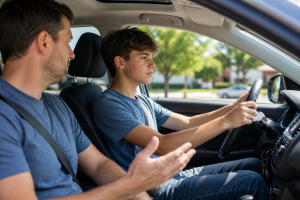
 Getting a driver’s license is a big milestone. For teens, it means freedom, independence, and a new level of responsibility. For parents, it often comes with a mix of pride and worry.
The truth is, new drivers face higher risks on the road. Lack of experience, combined with everyday distractions, can lead to mistakes that more experienced drivers have already learned to avoid.
If you live in or around Worcester, understanding these risks and how to manage them can make a real difference in keeping teen drivers safe.
Why Teen Drivers Are at Higher Risk
Driving is a skill that improves with time and experience. Teen drivers are still learning how to judge distance, react to sudden changes, and handle unexpected situations.
They are also more likely to:
- Underestimate dangerous situations
- Overestimate their driving ability
- Be influenced by friends in the car
- Take risks they would not normally take
That combination makes the first few years of driving especially important.
Speeding Is One of the Most Common Mistakes
Speeding is a major issue among teen drivers.
Some teens drive faster because they feel confident. Others do it because they are running late or trying to keep up with traffic. In some cases, it is simply about testing limits.
What many new drivers do not fully understand is how much speed affects reaction time and stopping distance.
At higher speeds:
- It takes longer to stop
- Crashes are more severe
- There is less time to react
Even a small increase in speed can make a big difference in a dangerous situation.
Peer Pressure Behind the Wheel
Driving with friends can be fun, but it can also be distracting.
Teen drivers are more likely to take risks when they have passengers in the car, especially other teens. This can include speeding, showing off, or not paying full attention to the road.
Sometimes the pressure is direct, such as someone encouraging risky behavior. Other times, it is more subtle, like trying to impress friends.
Either way, it can lead to poor decisions.
Limiting the number of passengers, especially in the early stages of driving, can help reduce this risk.
Night Driving Comes with Extra Challenges
Driving at night is more difficult than driving during the day.
Visibility is lower. Glare from headlights can make it harder to see clearly. Fatigue can also play a role, especially for teens who already have busy schedules.
Many serious accidents involving teen drivers happen at night for these reasons.
That is why Massachusetts includes restrictions on nighttime driving for junior operators. These rules are meant to reduce risk while teens are still gaining experience.
Understanding Massachusetts Graduated License Rules
Massachusetts uses a Graduated Driver Licensing system to help new drivers build skills safely.
Some key rules for junior operators include:
- Restrictions on driving late at night
- Limits on the number of passengers
- Strict penalties for traffic violations
- Zero tolerance for certain risky behaviors
These rules are not just about enforcement. They are designed to give teens time to develop good driving habits under safer conditions.
Parents should make sure their teen understands these rules clearly and takes them seriously.
Distracted Driving Is a Big Problem
Phones are one of the biggest distractions for teen drivers.
Texting, checking social media, or even using navigation apps can take attention away from the road. It only takes a few seconds of distraction for something to go wrong.
Teen drivers should be encouraged to:
- Put their phone away while driving
- Set navigation before starting the trip
- Avoid multitasking behind the wheel
Driving requires full attention, especially for someone who is still learning.
Parent Tips for Helping Teen Drivers Stay Safe
Parents play a big role in shaping how teens drive.
Here are a few practical ways to help:
Set clear rules. Talk openly about expectations, including speed limits, phone use, and passengers.
Lead by example. Teens notice how adults drive, even when it is not discussed.
Practice regularly. The more experience a teen gets in different conditions, the more confident and capable they become.
Start small. Begin with less busy roads and gradually introduce more complex driving situations.
Talk about real risks. Honest conversations about accidents and consequences can make a stronger impact than simple warnings.
Check in regularly. Keep the conversation going, even after your teen has been driving for a while.
What Happens When Mistakes Lead to Accidents
Even careful teens can make mistakes. When those mistakes lead to accidents, the consequences can be serious.
Injuries, vehicle damage, and insurance issues can follow. If another driver is involved, determining fault becomes important.
In situations where a crash is caused by negligence, families often seek guidance from a worcester auto accident lawyer or an auto accident attorney in worcester to understand their legal options.
These cases can involve:
- Medical expenses
- Insurance disputes
- Liability questions
- Long-term impacts on a young driver’s record
Having the right information and support can make a difficult situation easier to manage.
Building Safe Driving Habits Early
The habits teens develop early on tend to stay with them.
That is why the first few years of driving are so important. Learning to stay focused, follow speed limits, and make careful decisions behind the wheel sets the foundation for safer driving in the future.
Encouraging patience, awareness, and responsibility can go a long way.
Final Thoughts
Teen drivers face unique challenges, but with the right guidance and habits, they can become safe and confident drivers.
Understanding the risks of speeding, peer pressure, night driving, and distractions is a strong starting point. Combining that knowledge with practice and support from parents helps reduce the chances of serious accidents.
And if an accident does happen, speaking with a Worcester auto accident lawyer can help families understand their rights and next steps.
Safe driving is not something that happens automatically. It is learned, practiced, and reinforced over time.