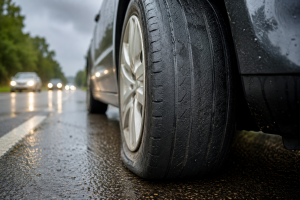
 Most drivers think of oil changes, fuel, and maybe brakes when they think of vehicle maintenance. Tires are something that usually only get attention when they go wrong.
The only part of your vehicle that actually touches the road is your tires. Their condition affects braking, steering, traction, and overall vehicle control. The chances of losing control increase greatly when tires are worn or poorly maintained.
And the scary thing is that many of these tire-related accidents could have been prevented with simple maintenance. Unsafe tires or poorly maintained vehicles can result in a crash that can turn into a legal and financial headache.
If the case is more serious, victims may find themselves talking to an auto accident attorney in Worcester to learn about their rights after an accident.
Bald Tires Decrease Traction
That’s why we have tire tread.
Your tires’ tread helps your vehicle grip the road, especially in rain, snow, or when you slam on the brakes.
Tires wear out and lose their grip. That is to say:
- Braking distances longer
- Less grip when cornering
- Less control in the wet
- Skidding more likely
People keep driving on bald tires because the car still “feels fine” when driving normally. But problems tend to crop up in emergencies when traction is most important. Worn tires can let you down that split second when you need to stop fast or avoid another vehicle.
Drivers Can Hydroplane Sooner Than They Think
One of the biggest dangers comes from old tires: hydroplaning.
This happens when a layer of water forms between the tire and the road surface and the vehicle loses contact with the road. When that happens, steering and braking are extremely limited. The car feels like it’s floating. Worn tires are more susceptible to hydroplaning because they have a shallow tread that cannot channel water away effectively.
And hydroplaning doesn’t just happen in big storms. Hazardous conditions can be created by moderate rain, speed, and poor tire condition. Drivers often panic when hydroplaning starts, and this can make the situation worse.
People don’t understand how important tire pressure is
Many drivers don’t think about tire pressure until a warning light goes on. But driving with incorrect tire pressure has a lot more effects than just your fuel efficiency.
Underinflated Tires Can:
- Overheat more readily
- Uneven Wear
- Reduced handling capability
- Increased risk of blowouts
Overinflated tires have their own problems, too. They reduce the tire’s contact with the road and can affect traction and stopping. Right tire pressure keeps your car stable, especially when you have to make sudden maneuvers or the weather is bad. One of the easiest safety habits your drivers can develop is checking your tire pressure regularly.
Tire blowouts can be very dangerous
A tire blowout at highway speed can go from bad to worse in seconds. Sudden tire failure can cause the driver to lose steering control or have difficulty controlling the stability of the vehicle. Vehicles sometimes spin, roll over, or hit other traffic around them. SUVs and larger vehicles are particularly susceptible to rollover accidents following a blowout.
Blowouts can occur because of:
- used tyres
- Low pressure
- Overloading of the vehicle
- Road dangers
- Excess heat
- Bad maintenance
Drivers sometimes ignore clear warning signs for weeks or months before a failure occurs. Do not ignore any cracks, bulges, uneven wear or exposed cords.
Preventable Accidents Caused by Poor Tire Maintenance
Many tire-related accidents are 100% preventable. And that’s what makes them frustrating. Basic maintenance like rotating tires, replacing worn tread, checking pressure and inspecting for damage can greatly reduce accident risks.
But people put off replacements because tires can be pricey. Other drivers just don’t know how unsafe their tires really are. But if maintenance is neglected, innocent people can get hurt. And when a preventable tire problem causes a crash, questions of liability often arise.
Tire problems can be made worse by weather
Massachusetts weather can be hard on tires. Rain, snow, cold temperatures, potholes, and changing road conditions add stress to your tires. What looks like a good tire on a dry summer day can become a hazard in winter or heavy rain.
Worcester motorists in particular are up against:
- Winter roads are slippery
- Stagnant water
- Ice
- Quick temperature shifts
- Potholes and damaged roads
Bad tires and rough weather make for a dangerous combination.
How to know if your tires are unsafe
Some red flags are obvious. Others are more easily missed. Drivers should watch out for:
- Low tread depth
- Splits in the rubber
- Irregular wear patterns
- Vibrations when driving
- Often a loss of pressure
- Bulges or bubbles in the sidewall
If your car feels unstable during rain or takes longer to stop, your tires may already be affecting vehicle safety.
Tire Maintenance Is More Than Just Protecting Your Vehicle
For many people, tires are just a cost of owning a vehicle, but tire maintenance is really a safety issue. Poor tires don’t just put the driver at risk. They put passengers, pedestrians, cyclists, and everyone else on the road at risk. One worn tire, at highway speed, can change many lives in seconds.
When Tire-Related Accidents Result in Injuries
Following an accident caused by a tire failure, it can be difficult to determine who is at fault. Sometimes the problem is poor maintenance. In other cases, faulty tires or improper installation may be involved.
Those injured in these accidents will often pursue the advice of a Worcester auto accident attorney to find out if compensation could be available.
Medical bills, lost wages, vehicle damage, and long-term injuries can be a huge stressor to a person after a crash. Legal advice can assist victims to understand what options they have going forward.
Summary
Tires are easy to ignore until something goes wrong but they are a big part of vehicle safety all day, every day.
Low tire pressure, bald tires, the risk of hydroplaning, and blowouts are not small issues. They can cause serious accidents that could have been prevented by proper maintenance.
Checking your tires regularly is one of the easiest ways to reduce accident risk and stay safe on the road because it turns out that what links your car to the road is more important than you think when it comes to safe driving.